
Grants & Down Payment Assistance
First-time Homebuyers, Down Payment Assistance, Homebuyer Grants, Real Estate Tips, Affordable Housing, Financial Preparation
You Don’t Need 20% Down: Practical Paths to Your First Home
Many first-time homebuyers quietly give up on their dream home because they believe a 20% down payment is the only way in. In reality, a wide range of down payment assistance options and homebuyer grants can help you purchase a home with far less cash than you might expect—if you know where to look and how to prepare. Grants & Down Payment Assistance!

Debunking the 20% Down Payment Myth
The idea that you must save 20% of a home’s price before you can buy is one of the most persistent myths in real estate. While a 20% down payment can help you avoid private mortgage insurance (PMI), it is not a universal requirement. Many first-time homebuyers successfully purchase homes with as little as 3% down, or even less, by combining low-down-payment mortgages with down payment assistance and homebuyer grants designed to promote affordable housing and expand access to homeownership.
Lenders, housing agencies, and community organizations understand that saving tens of thousands of dollars is difficult, especially while paying rent and other living expenses. That is why programs exist specifically to bridge the gap between what you have saved and what you need to close on a home. The key is learning how these resources work and how to position yourself to qualify. Grants & Down Payment Assistance!
Types of Down Payment Assistance and Homebuyer Grants
Down payment assistance (DPA) and homebuyer grants come in several forms. Understanding the structure of each can help you choose the right option for your situation:
Grants: Funds that do not need to be repaid if you meet program requirements, often tied to income limits or buying in targeted neighborhoods.
Forgivable loans: Second mortgages that are gradually forgiven over a set period, typically if you live in the home as your primary residence for a certain number of years.
Deferred-payment loans: Assistance you repay only when you sell, refinance, or pay off your first mortgage, easing the upfront burden for first-time homebuyers. Grants & Down Payment Assistance!
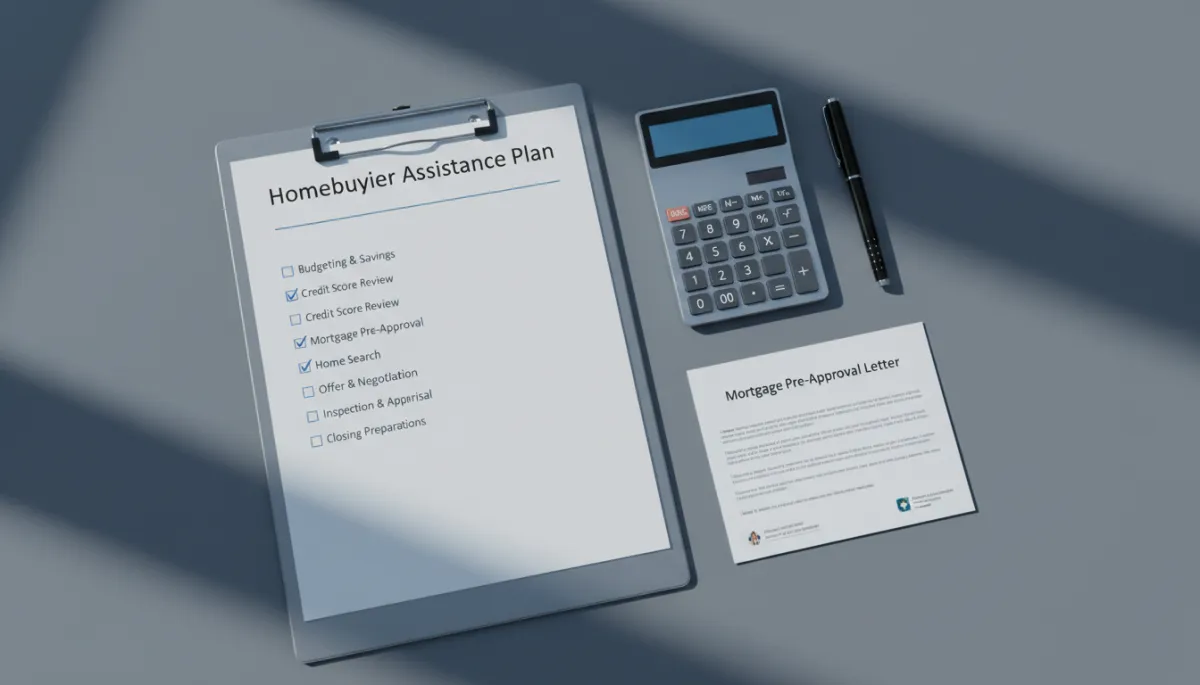
A clear action plan helps you match the right assistance program to your goals.
Where to Find Local Down Payment Assistance Programs
Locating programs in your area takes a bit of research, but the payoff can be substantial. Start with these practical sources:
State and local housing finance agencies: Visit your state’s housing finance agency website and your city or county housing department. They often list active down payment assistance, affordable housing initiatives, and homebuyer grants.
HUD-approved housing counselors: The U.S. Department of Housing and Urban Development (HUD) maintains a directory of approved counselors who can explain local programs and real estate tips tailored to your market.
Participating lenders and real estate agents: Many lenders and agents specialize in working with first-time homebuyers and can connect you with programs they regularly use for clients.
💡 Pro Tip: When searching online, combine your city or county name with phrases like “down payment assistance,” “homebuyer grants,” and “first-time homebuyer program” to uncover local opportunities. Grants & Down Payment Assistance!
Financial Preparation to Qualify with Confidence
Even with strong assistance, you still need to demonstrate that you are financially ready. Focus on these steps to strengthen your application:
Review your credit: Obtain your credit reports, dispute errors, and aim to pay down high-interest revolving debt. Many programs have minimum credit score requirements, and even modest improvements can expand your options.
Document stable income: Gather recent pay stubs, W-2s, tax returns, and bank statements. Consistent income and responsible account history support both mortgage approval and eligibility for assistance.
Build a realistic budget: Calculate how much you can comfortably afford each month, including principal, interest, taxes, insurance, and potential HOA fees. Many programs require a homebuyer education course that will walk you through this process.
By combining careful financial preparation with targeted down payment assistance and homebuyer grants, you can move from feeling shut out of the market to becoming a confident, informed buyer. You may not need 20% down—but you do need a plan. With the right information and support, affordable housing and successful homeownership can be well within your reach.